


 2024-12-22 10:51:00
 586
586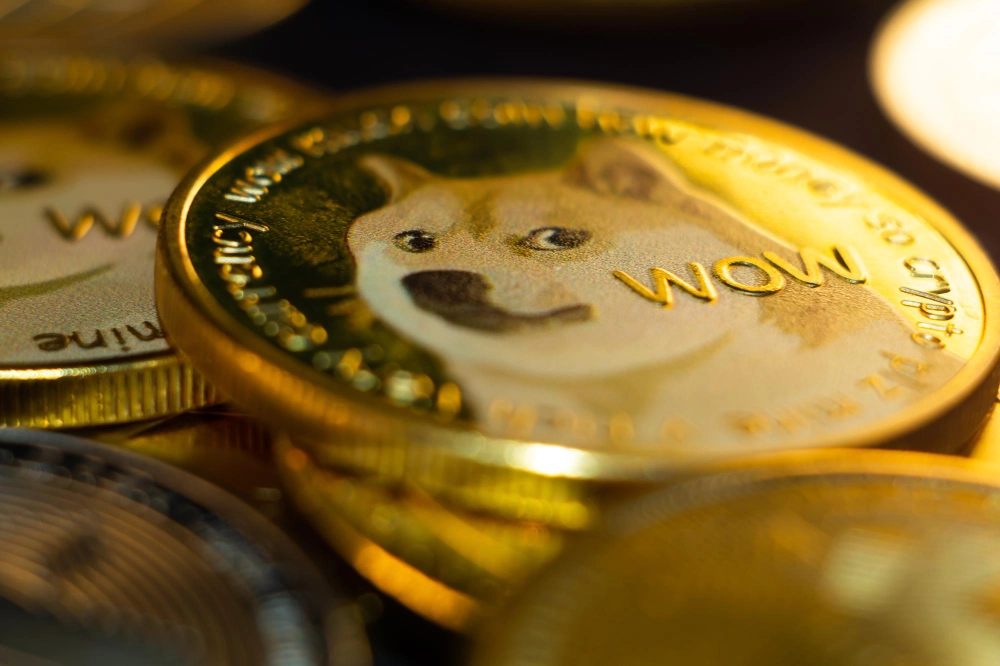
Doge, Pepe: why are memecoins so popular?
The world of memecoins has exploded in recent years, capturing the imagination of countless crypto enthusiasts and casual observers. These playful digital assets use viral images and humor to generate widespread attention. The most iconic examples are Dogecoin and Pepe, two coins that highlight why are memecoins popular and how internet culture can translate into real economic value. While some see these crypto trends as harmless fun, others view them as speculative, even risky, forms of digital currency.
What Are Meme Coins?
“Meme coins” are cryptocurrencies that start with lighthearted, joke-based concepts instead of serious technological goals. They often feature silly names, amusing logos, or references to popular internet culture. Unlike Bitcoin or Ethereum — projects built around robust blockchain ecosystems — meme coins rely on viral appeal and community-driven hype.
Key features of meme coins:
- Humorous origins. Most meme coins begin as parodies of existing cryptocurrencies, using an irreverent tone that appeals to social media users.
- Community hype. Their success usually depends on how many people rally behind them, generating buzz through cryptocurrency memes and viral posts.
- Speculative nature. With minimal real-world utility, meme coin prices can surge or crash based on sentiment alone.
The History of Dogecoin
Initially created as a joke by software engineers Billy Markus and Jackson Palmer, Dogecoin launched in 2013. Its friendly Shiba Inu mascot, known simply as Doge, attracted a devoted online following. People embraced Dogecoin for its approachable vibe, using it to tip others on social platforms and raise funds for charitable causes.
The Elon Musk Effect
Elon Musk’s enthusiastic tweets about Doge catapulted it to mainstream fame. Whenever he mentioned Dogecoin, the market reacted dramatically, pushing its value far beyond what a “joke” cryptocurrency might typically achieve. This celebrity-driven hype revealed why are memecoins popular: in a social media–obsessed culture, big names can transform a funny token into a global phenomenon almost overnight.
Pepe as a Meme
Pepe the Frog emerged long before it entered the crypto world. Originally featured in artist Matt Furie’s comic, it evolved into one of the internet’s most recognizable characters. Over the years, Pepe gained both positive and controversial notoriety. Eventually, savvy developers brought Pepe into the world of crypto trends, leveraging its internet fame to launch tokens and NFTs tied to the iconic frog.
How Pepe found its place in crypto:
-
Widespread recognition. Millions knew Pepe from social media, making it a perfect mascot for new digital assets.
-
Flexible imagery. Variations of the frog, from sad to happy, enabled creative marketing angles.
-
Cultural longevity. Despite ups and downs, Pepe remained a fixture of online culture, giving its crypto iterations a solid baseline of fans.
Why Memecoins Are Popular
In answering why are memecoins popular, one cannot ignore the potent combination of humor, community, and media attention. Their catchy visuals and viral backstories appeal to newcomers who might be too intimidated by complex blockchain projects. Moreover, influencers and celebrities easily amplify these tokens by tweeting or posting about them, adding an extra boost of excitement.
Factors fueling memecoin popularity:
-
Social media virality. Funny posts and memes spread faster than in-depth whitepapers.
-
Community bonding. Forums, Twitter spaces, and Telegram groups foster a sense of belonging.
-
Celebrity influence. High-profile endorsements or mentions can trigger massive price swings.
-
Accessible investment. Lower per-coin costs mean even small holders can buy in for fun.
The Risks of Memecoins
While the upside of investment in meme coins can be tempting, it is important to recognize their risks. Many memecoins lack formal roadmaps, and their value often hinges on fleeting online trends. This vulnerability to hype cycles can result in dramatic price collapses if interest wanes.
Main concerns for investors:
-
High volatility. Prices can spike or crash based on a single tweet or headline.
-
Limited utility. Beyond their meme status, most offer no innovative features or long-term use cases.
-
Regulatory uncertainty. Governments might clamp down on speculative tokens, creating legal issues.
-
Scams and rug pulls. Scam projects exploit cryptocurrency memes to attract funds, then vanish.
Conclusions and Prospects of Meme Coins
From the playful spirit of Dogecoin to the enduring appeal of Pepe, these meme coins show how quickly internet culture can infiltrate financial markets. The power of humor, celebrity endorsements, and viral social media postings partly explains why are memecoins popular. Investors often hope for sky-high returns, yet they must be cautious about the unpredictable nature of these assets.
Whether memecoins prove to be a lasting element of crypto trends or simply a passing fad remains uncertain. Their stories reveal just how potent a shared online joke can become, morphing into a global brand with real price tags attached. Before putting money into any investment in meme coins, weigh the risks as carefully as the rewards. In the end, the tale of Doge and Pepe underscores one undeniable truth: in the world of cryptocurrency, almost anything can happen — and often does.